Designing for the Brain: The Role of Neuroaesthetics in Interior Spaces
Date
January 2026
Category
News

Julie Coutts
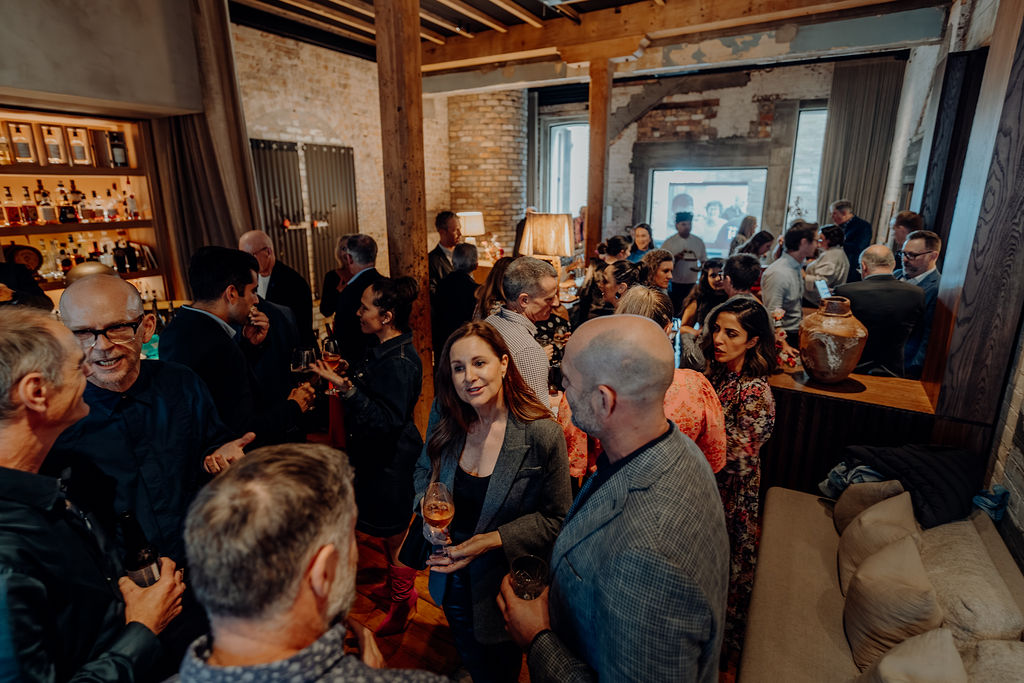
I recently attended an event that opened up a conversation around neuroaesthetics in interior design, the study of how our brains respond to aesthetic experiences in spaces. It reminded me that design isn’t just about making things look good. It's about how spaces make us feel, and how those feelings influence the way we live, work, and move through our everyday environments.
From colour and texture to lighting and layout, every design decision can trigger a cognitive or emotional response. Harsh lighting might create stress in a workplace. Soft textures and warm tones can help people relax in a healthcare setting. Even the arrangement of furniture can impact how safe or open we feel in a space.
As designers, we often talk about form and function. But we also have a responsibility to think about how our spaces affect people neurologically and emotionally. Neuroaesthetic principles give us a framework to create interiors that aren't just beautiful, but also support wellbeing, productivity, and comfort, tailored to the needs of the people using them.
When working with clients, incorporating this lens into the process is key. Because in the end, great design isn’t just seen, it’s felt.